How to plan a neighborhood photo scavenger hunt
· Editorial team denvernewssteve.com
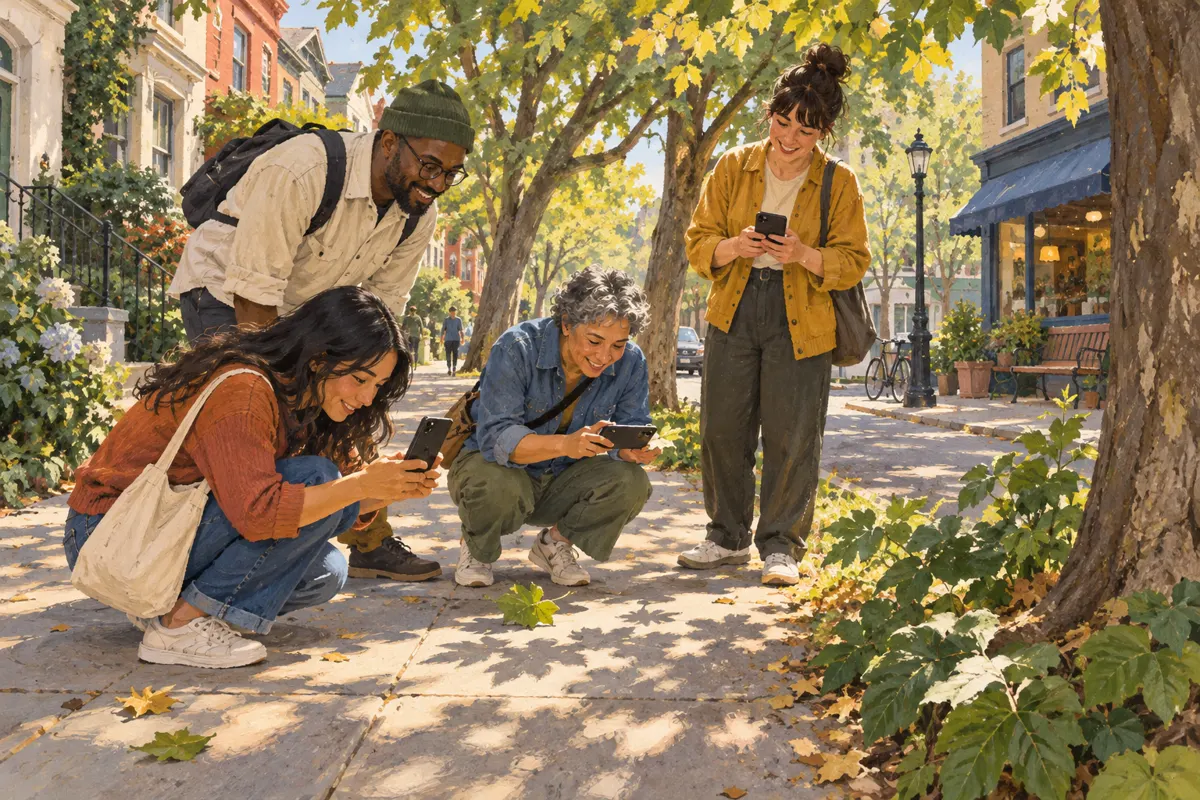
To plan a neighborhood photo scavenger hunt, choose a manageable walking area, give teams a short list of visual prompts, set a return time, and agree on how to share pictures. Keep every challenge possible from public paths and make photographing strangers unnecessary. The proposed format below gives adults a relaxed way to explore familiar streets together.
Choose a route everyone can enjoy
Start with the people taking part. Ask about walking distances, step-free access, and places to pause before choosing the area. A compact loop with the same starting and finishing point makes the plan easy to explain. Pick a recognizable meeting spot where your group can gather without blocking a sidewalk or entrance.
- Walk the proposed route beforehand to check sidewalks, crossings, steps, and possible resting spots.
- Define the boundaries using named streets or a simple map. Mark any areas participants should avoid.
- Choose prompts that can be completed within those boundaries without entering buildings or private property.
- Offer a shorter loop or a fixed meeting area with nearby subjects for anyone who prefers less walking.
As a starting proposal, allow about 45 minutes for taking photos, followed by 15 minutes together at the finish. Adjust that window to the route and the group. Give everyone the organizer’s contact details and a clear plan for postponing if conditions make walking uncomfortable.
Write prompts that reward noticing
Mix easy finds with a few creative interpretations. Object prompts give teams somewhere to start; open-ended prompts let adults approach the same neighborhood differently. Adapt the list to what is actually visible along your route. The supplied vacation-hunt guide also suggests tailoring challenges to the setting and group.
Here is a proposed eight-photo list for a neighborhood walk:
- A repeating pattern on a surface.
- Three different shades of the same color.
- A reflection that changes how a familiar object looks.
- A small natural detail beside the sidewalk.
- Two contrasting textures in one frame.
- A shape that resembles a letter.
- A teammate’s shadow, with their permission.
- An image that suggests calm, without showing a stranger.
Number the prompts and put them in a shared note or on paper. Avoid challenges that depend on finding a particular person, buying something, handling wildlife, or performing a stunt. Let participants skip any prompt they cannot complete comfortably.
Explain the rules before teams leave
For a small gathering, a proposed team size of two to four people gives everyone room to contribute. One phone per team is enough, although teammates can take turns photographing, checking prompts, and watching the route. Make the activity about observation rather than speed.
- Take all submitted photos during the hunt and inside the agreed boundaries.
- Submit one image per prompt; decide beforehand whether one photo may satisfy multiple prompts.
- Stay together, keep entrances clear, and stop walking before framing a shot.
- Use designated crossings and leave objects, plants, and property undisturbed.
- Return at the stated time, even if the list is incomplete.
If you want scoring, a simple proposal is one point per completed prompt and a group vote for the most inventive image. Explain how creative interpretations will count before starting. Avoid bonuses for finishing first, which can turn a pleasant walk into a rush.
Keep people’s privacy part of the game
Build the list around details rather than residents. Avoid identifiable strangers, children, license plates, house numbers, and views into windows. If someone unintentionally appears prominently in a shot, choose another angle or retake it. Do not ask teams to approach strangers to complete a challenge.
Ask teammates before photographing them, and agree separately before posting their images publicly. Participation should not require appearing in a photo. Keep the hunt album limited to the group, and check whether your chosen sharing method includes location information before uploading.
Make sharing and the finish simple
Choose one submission method before the event. A shared album is one option suggested in the supplied guide. Ask a participant to check access beforehand and explain who can see the pictures. If anyone cannot use it, let them show their selected images on their phone at the finish.
Ask each team to submit only its chosen photo for each numbered prompt. Set a submission deadline that leaves time to review them; submission windows and judging time are practical concerns raised in the supplied organizer discussion. Finish by inviting each team to share one favorite image and explain what caught their attention.